Author's Note on Research Methods
This book has been developed through a combination of traditional knowledge, firsthand experience, and modern research tools. A significant portion of the background information, comparative practices, and technical insights were researched and drafted with the assistance of advanced artificial intelligence tools. These tools helped gather and organize content from a wide range of agricultural and environmental sources, ensuring accuracy, breadth, and clarity. Final decisions on tone, structure, and conclusions reflect the author’s own judgment, experience, and values shaped by a lifetime of interest in the Alberta Special Areas.
It is important to note that all the material in this website is original material from the book I have written discussing ranching and farming in the special areas. All the material is original and all images and photographs are my property in that they were either taken by me using my camera or smartphone or were generated by Chatgpt at my request, description and approval.
© 2026 Dry Country Farm & Ranch. All rights reserved.
The reason for putting together a website about the Alberta Special Areas is threefold.
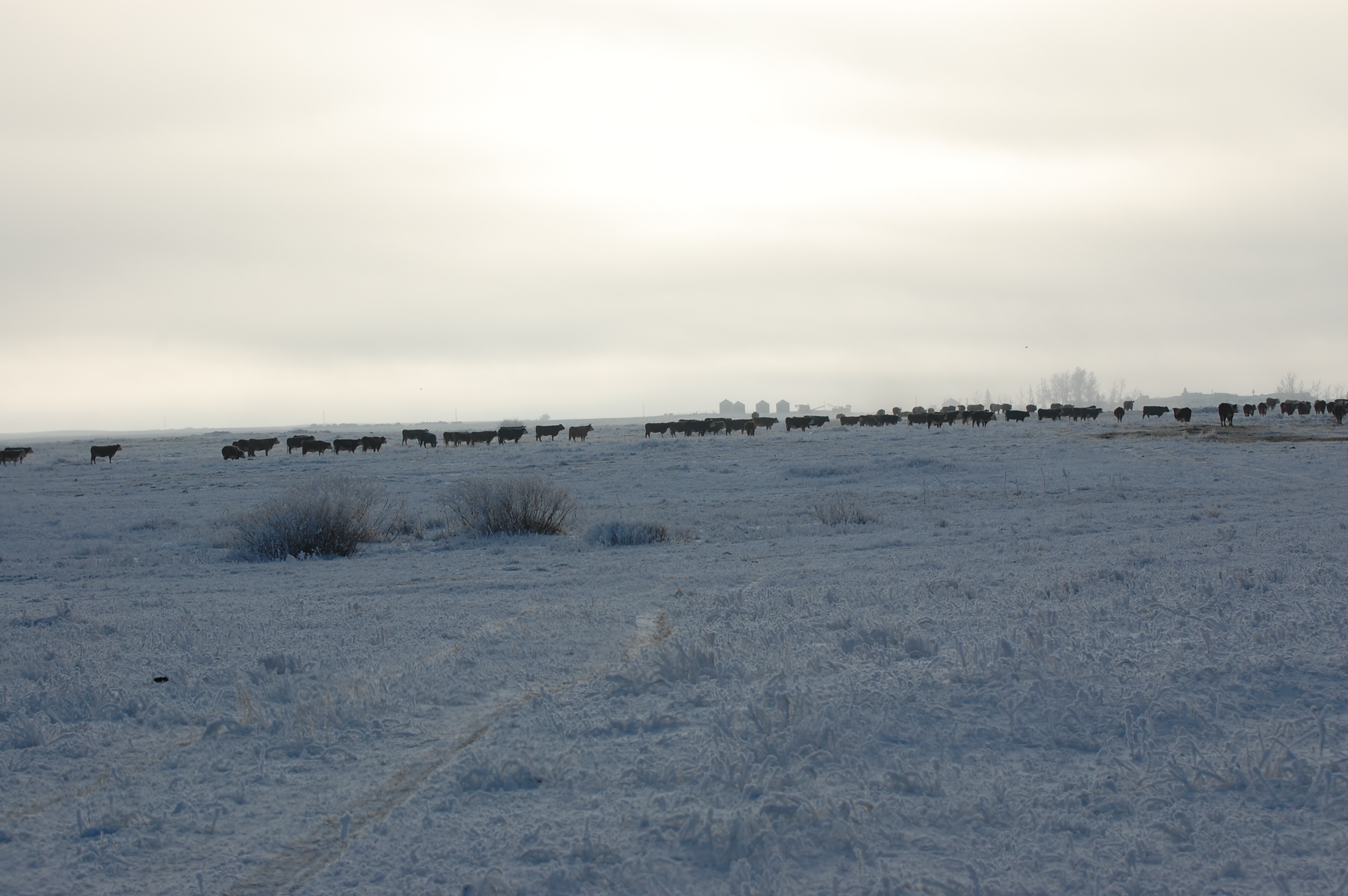
- First, I was born and raised north of Youngstown and lived there until I was sixteen. That country stays with you and you will every day of your life miss the wide open spaces, good people and purpose.
- Second, I wanted to see if I could do it. At seventy-five, I figured if I was going to take something like this on, I had better get at it. I have to admit a lot of this has brought back memories of blizzards, endless wind, dust and always gophers. My father once said when giving a visitor directions on how to find the ranch "turn north at Youngstown and keep going until there is nothing to see but dust, gophers and kids". Our hired man once commented that it was his observation that "all the wind in the world was likely generated right above this ranch".
- Third, it has turned into an interesting journey. Along the way, I have learned a great deal about the Special Areas themselves, about ranching and farming in dry country, and about how to put together a website that is at least passably interesting and in some spots is useful and even makes sense.
I went to high school in Calgary and, depending on your point of view, was either fortunate or unfortunate to land a good job right out of school. That led to forty-five years of steady work. Once you leave the ranch and settle into city life (wage slave), that is usually where you stay. I have no complaints about city life, but I was fortunate enough to get back home regularly to visit and spend time with family.
The longest stretch of this whole effort has been learning how to build a website using Joomla, along with the many other tools needed to write, edit, check grammar, and manage images. There always seems to be one more thing to learn.
My memories of growing up on the farm are still clear;
- I learned early on that the speed a Fordson tractor will pull an eight-foot disker is exactly the same speed a mosquito can fly.
- I learned that when a blizzard hits, country kids all have a town family assigned to them to stay with when the school bus cannot get through.
- I learned how to take machinery apart—and, more often than not, put it back together again. Learning how to fix things is a useful skill, and it goes a long way toward pushing back against the throwaway habits we see today.
- I learned to not collect yellow snow when the kid job was collecting snow for drinking and bathing water in the winter when the well froze over.
- I learned that a good dog truely is your best friend and best partner when you are chasing livestock..
- I learned branding and castrating calves and sewing up sheep when the coyotes ripped them open.
- I could fill pages with the I learned and I don't regret learning any of them with the notable exception of cleaning out the chicken house - could have taken a pass on that one.
- Most importantly, I learned that job number one is the care and feeding of livestock. That is where the money comes from, and you take care of that first. Everything else comes after.
School started for us at New Bliss, a one-room school with a single teacher who lived in a house beside it. There were about fifteen students in total, from Grade 1 through Grade 12. There were three of us in the same grade, and we learned together. The older students often supplemented their learning with correspondence courses and helped teach the younger ones. It was a practical system, and it worked. In those days, discipline was handled differently than it is now. The strap was still in use, and whatever modern opinion may be, it was an darned effective deterrent.
We walked about a mile and a quarter each way to school—uphill both ways of course, as the saying goes. My memory is full of those walks, especially in the spring when the land comes back to life. Dad gave us rides to school in the winter or when the weather turned bad. In winter, he would hitch the stone boat to the Fordson, and we would climb on for the trip.
Looking back, it was a good time to be alive. There was freedom for a kid growing up in that time that I do not think is available anyplace anymore - freedom was conditional - provided of course that your chores were done. I think that along the way I decided I wanted to put some of what I had learned and experienced, what it was like to be raised without running water, electricity or Walmart's on your doorstep. People think all that is necessary - it aint, its just many orders of magnitude better than without. I wrote a book for my own enjoyment about the special areas and after that was finished I decided to use the material from the book on the website.
This website is, in part, a tribute to the farmers and ranchers who have made a life—and continue to make a living—in the Alberta Special Areas. This is not country where you can toss a handful of wheat out the truck window and expect a bumper crop by August. It takes judgment, discipline, and a good deal of persistence to succeed here.
If, as you read through the material I hope you feel that I have made a fair effort to capture that reality then the effort has been worthwhile. if there are areas where you think more shuld be added or improved, I would welcome the suggestion. A final note about the content in that this site reflects my own experience and research, with the assistance of modern tools, but the responsibility for the content remains my own