
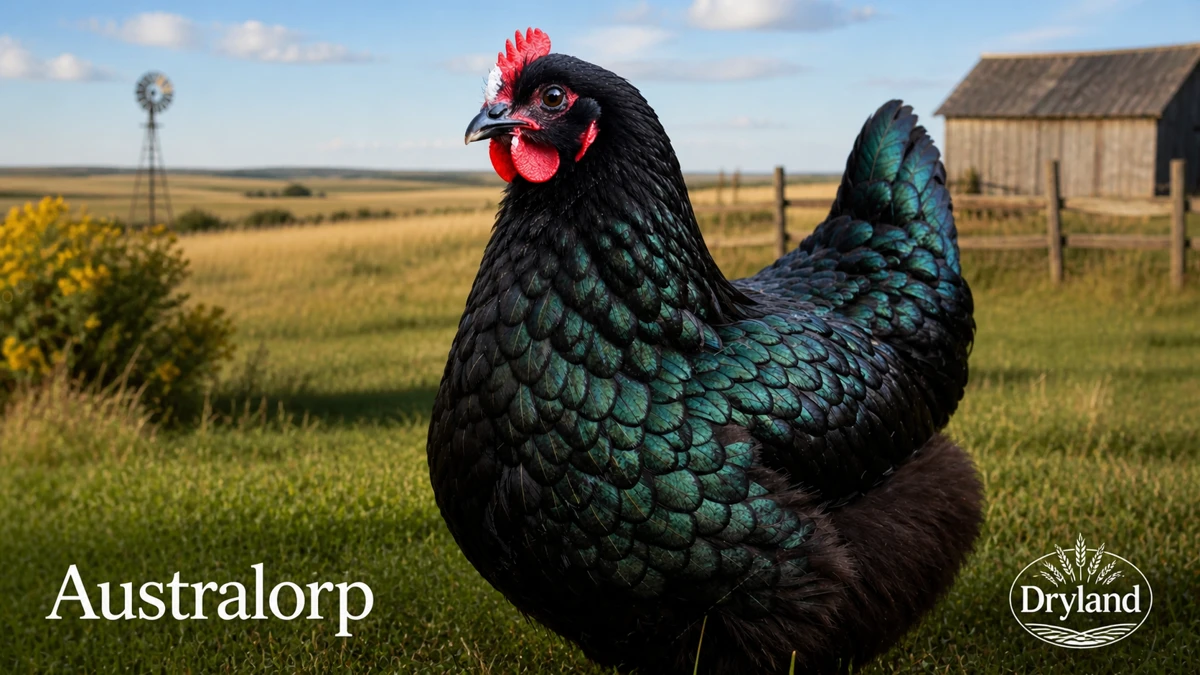
Among the traditional breeds that have earned a place in poultry keeping, the Australorp stands out as one of the most balanced and dependable. Known for strong egg production and a calm, manageable temperament, this breed has long appealed to those who want a bird that fits naturally into a mixed operation rather than one that excels in only a single area.
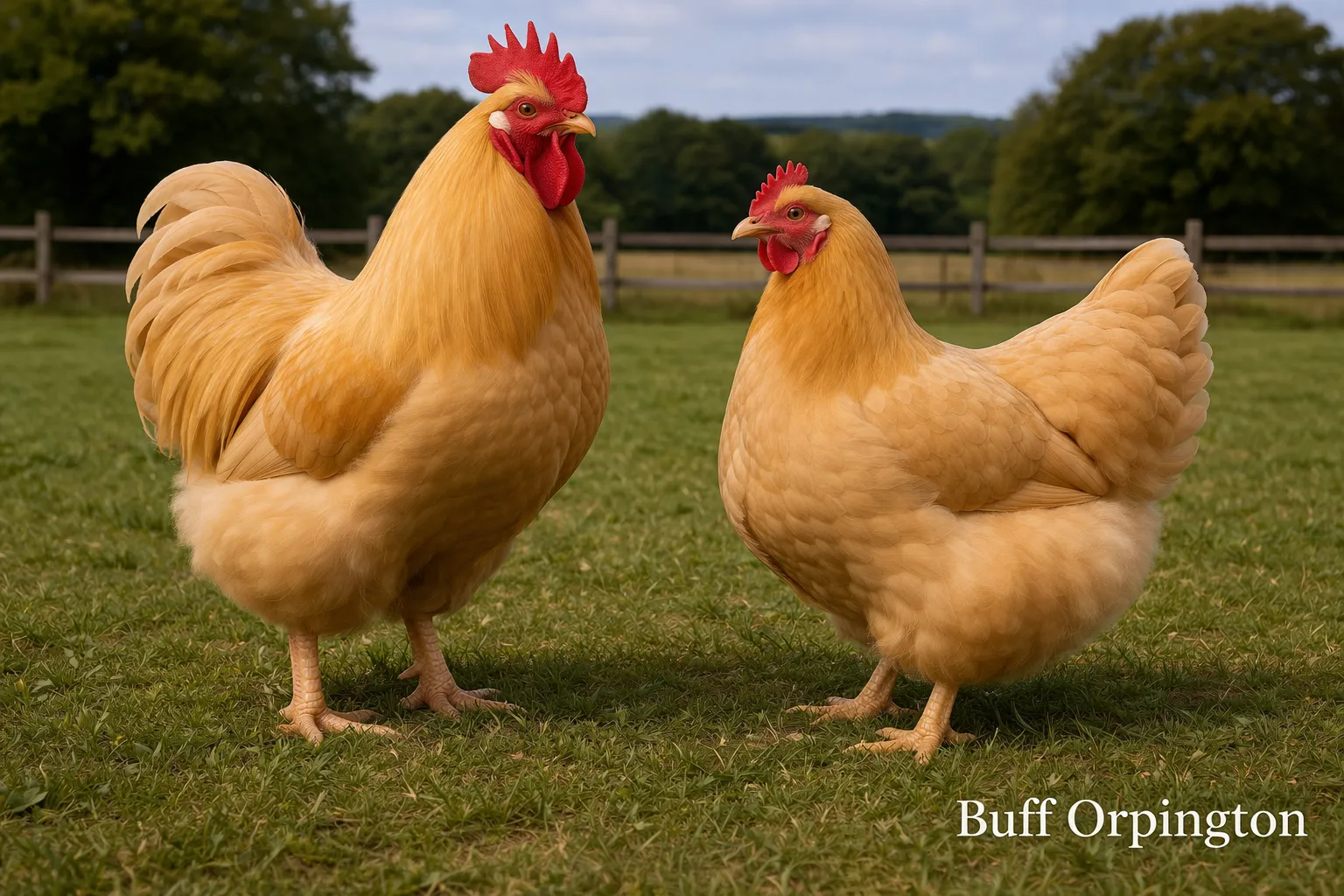
The Buff Orpington is one of those breeds that fits naturally into a practical farm setting. It doesn’t rely on extremes, neither the highest egg production nor the fastest growth, but instead offers a dependable balance that has served farmers well for generations.

When it comes to dependable egg production, few breeds have earned their reputation quite like the Leghorn. Known the world over as the backbone of commercial egg farming, the Leghorn is a bird that has stood the test of time through efficiency, hardiness, and sheer productivity. For anyone building a practical poultry operation—whether on a modest acreage or a larger mixed farm—the Leghorn deserves careful consideration.
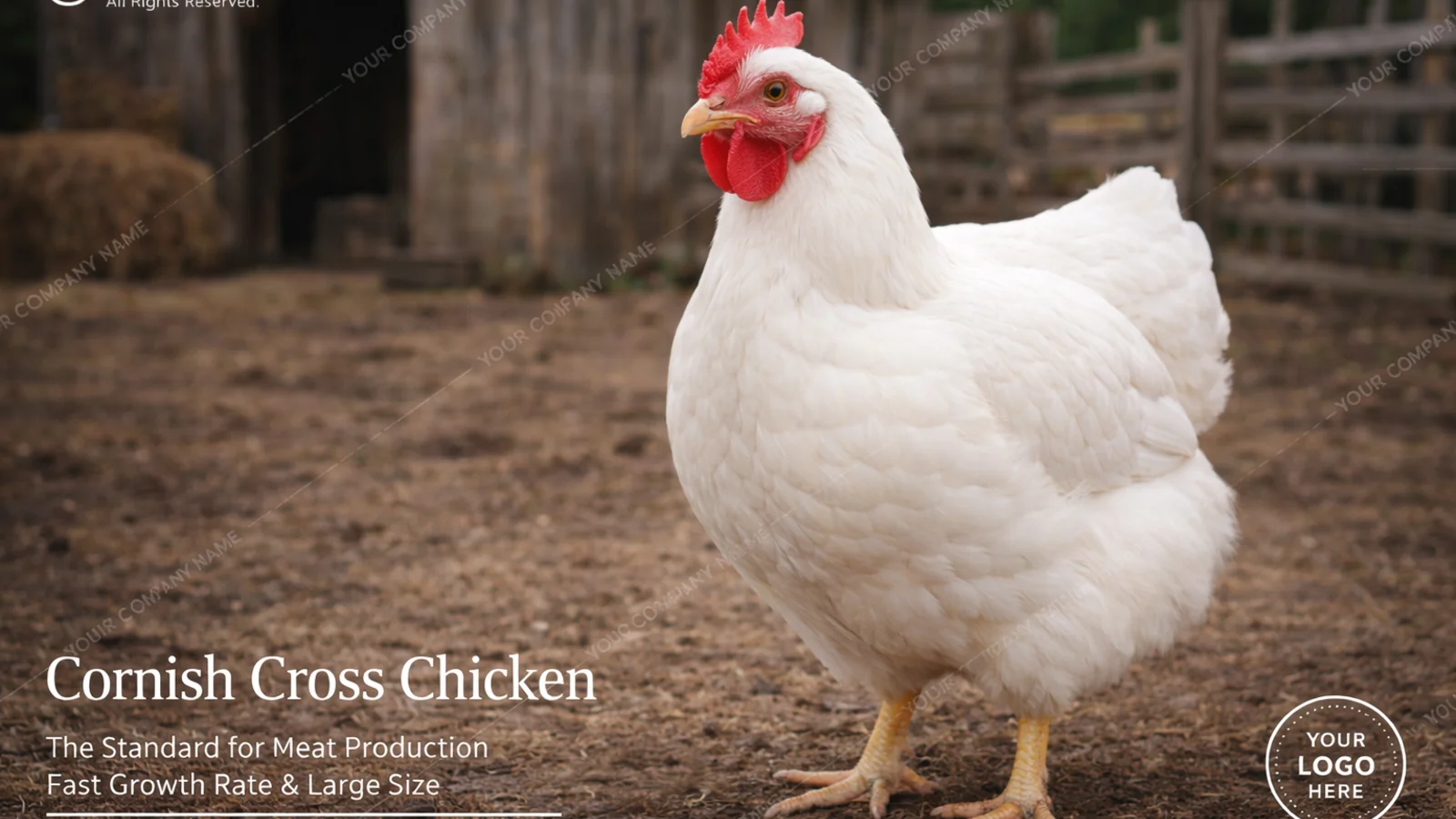
The Cornish Cross is the bird that has come to define modern meat chicken production. Whether raised in large commercial barns or on smaller pasture-based farms, this crossbred broiler is designed for one purpose: to produce a high-yield, tender meat bird in the shortest practical time.
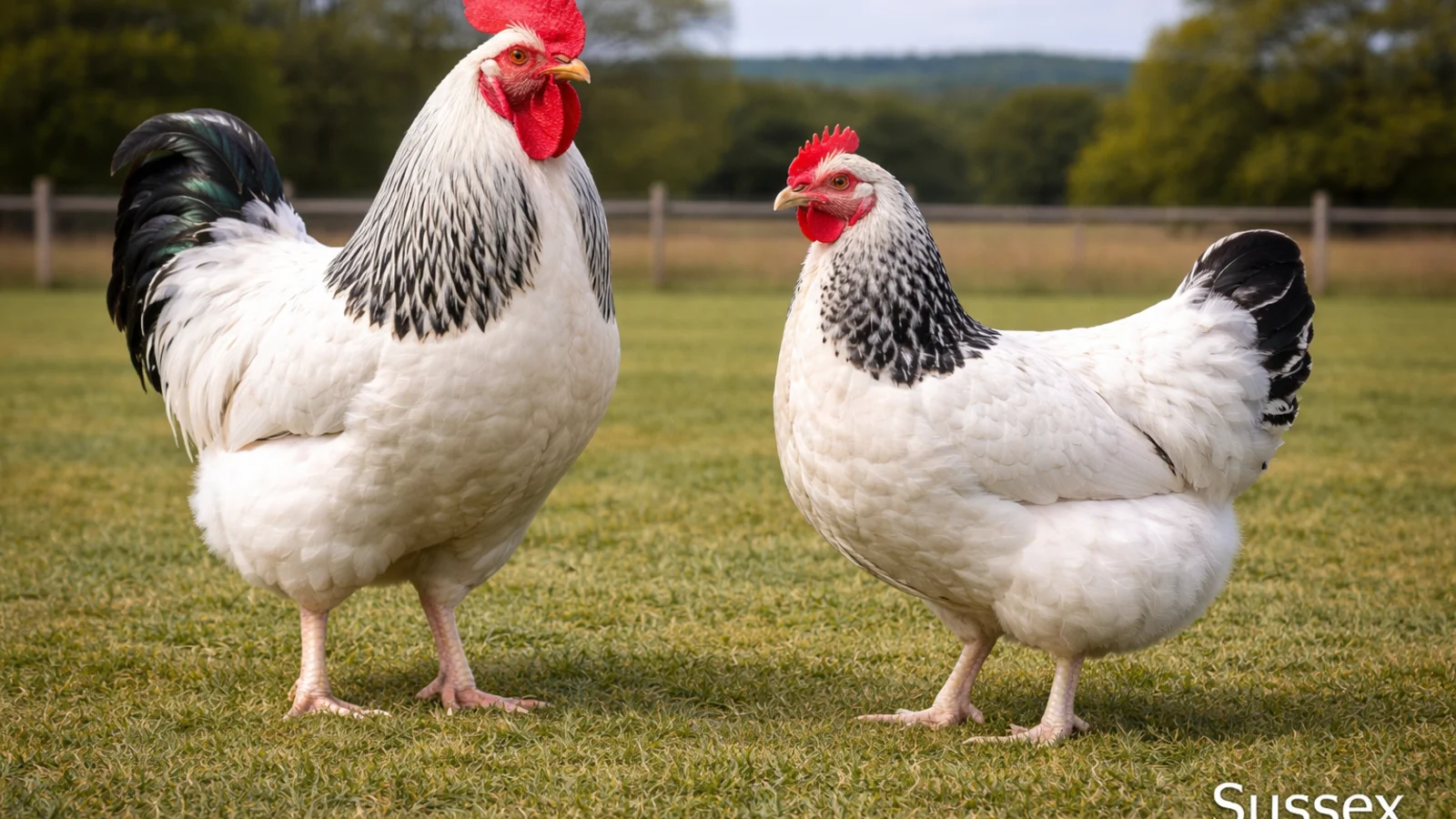
The Sussex is one of those breeds that reflects an older, well-proven approach to poultry keeping. It is not specialized to the extreme in any one direction, but instead offers a steady balance of egg production, meat value, and hardiness.
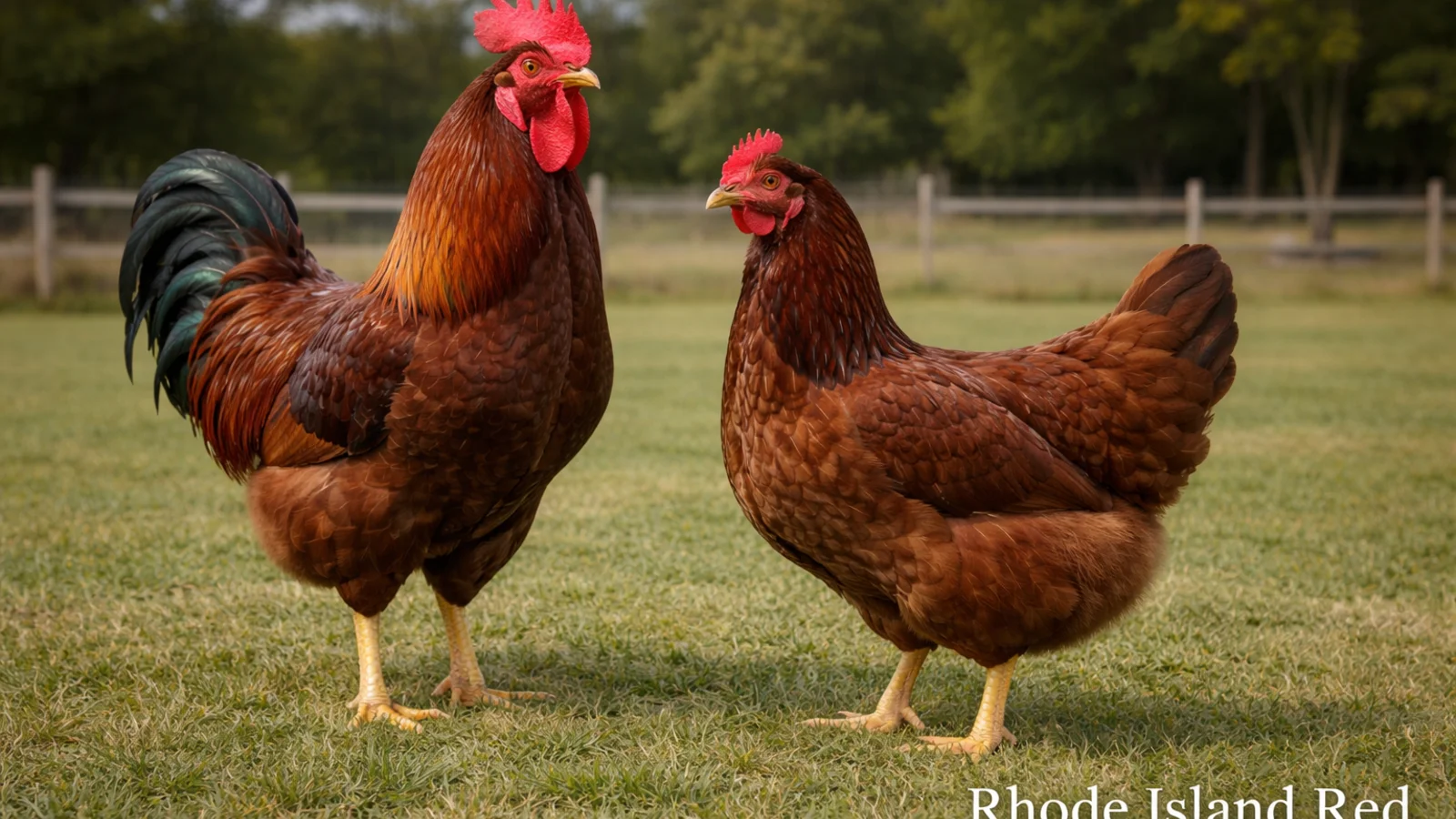
The Rhode Island Red is one of the most widely recognized and time-tested chicken breeds in North America. It has earned its place not through novelty or specialization, but through steady, dependable performance under real farm conditions.