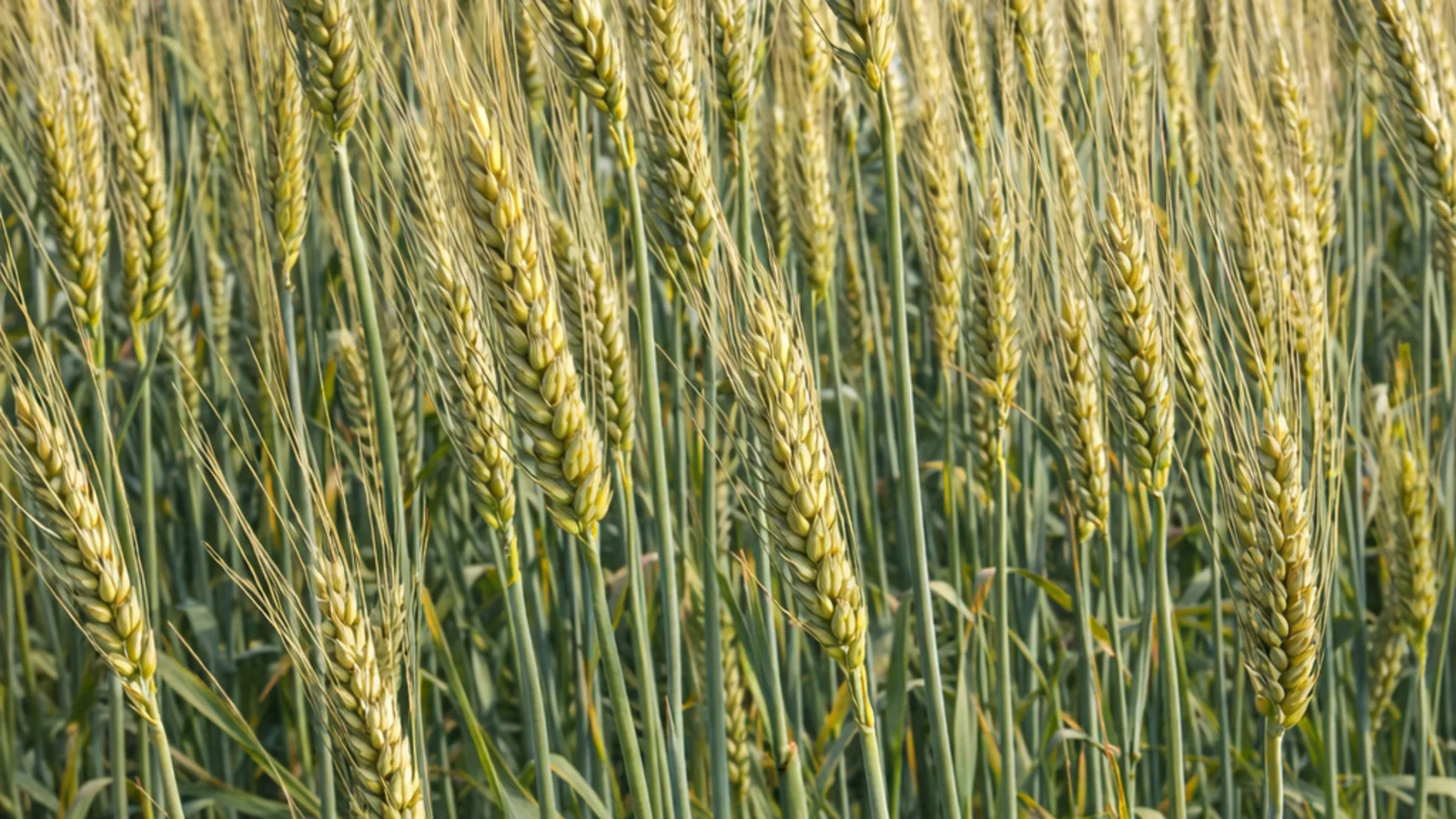
Fall rye (Secale cereale) is a versatile, cold-hardy cereal crop that provides multiple benefits in dryland farming systems, especially in Alberta’s Special Areas. It serves as an effective cover crop, preventing soil erosion, enhancing soil moisture retention, and contributing organic matter to the soil.
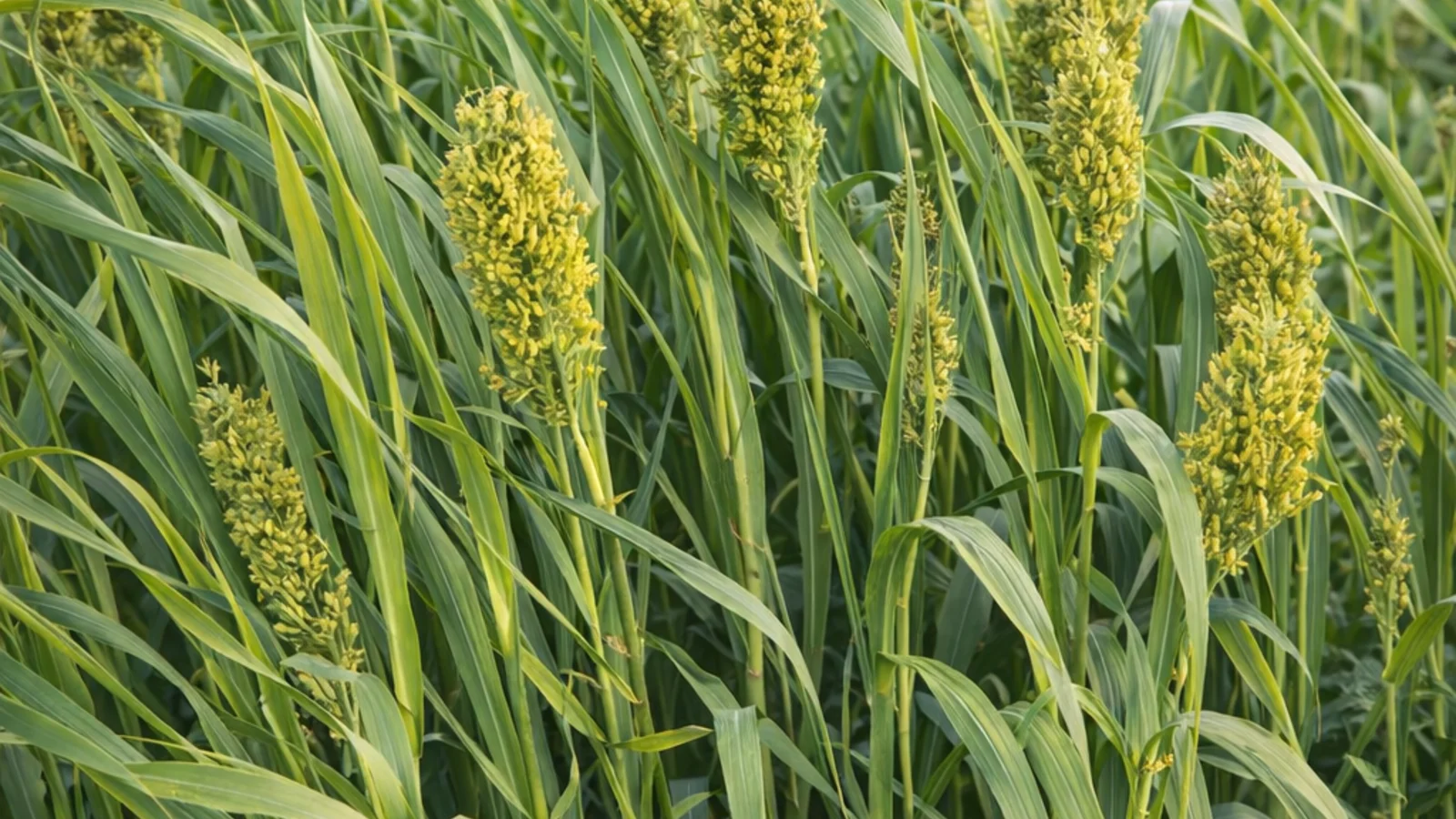
Sorghum-Sudan Grass Hybrids for Dryland Farming in Alberta’s Special Areas
Sorghum-Sudan grass hybrids (Sorghum bicolor × Sorghum sudanense) are high-yielding, warm-season annual forages that thrive in dryland conditions, making them well-suited for Alberta’s Special Areas. These hybrids combine the drought tolerance of sorghum with the rapid regrowth and forage quality of Sudan grass, providing a reliable source of forage for grazing, silage, green chop, or hay.
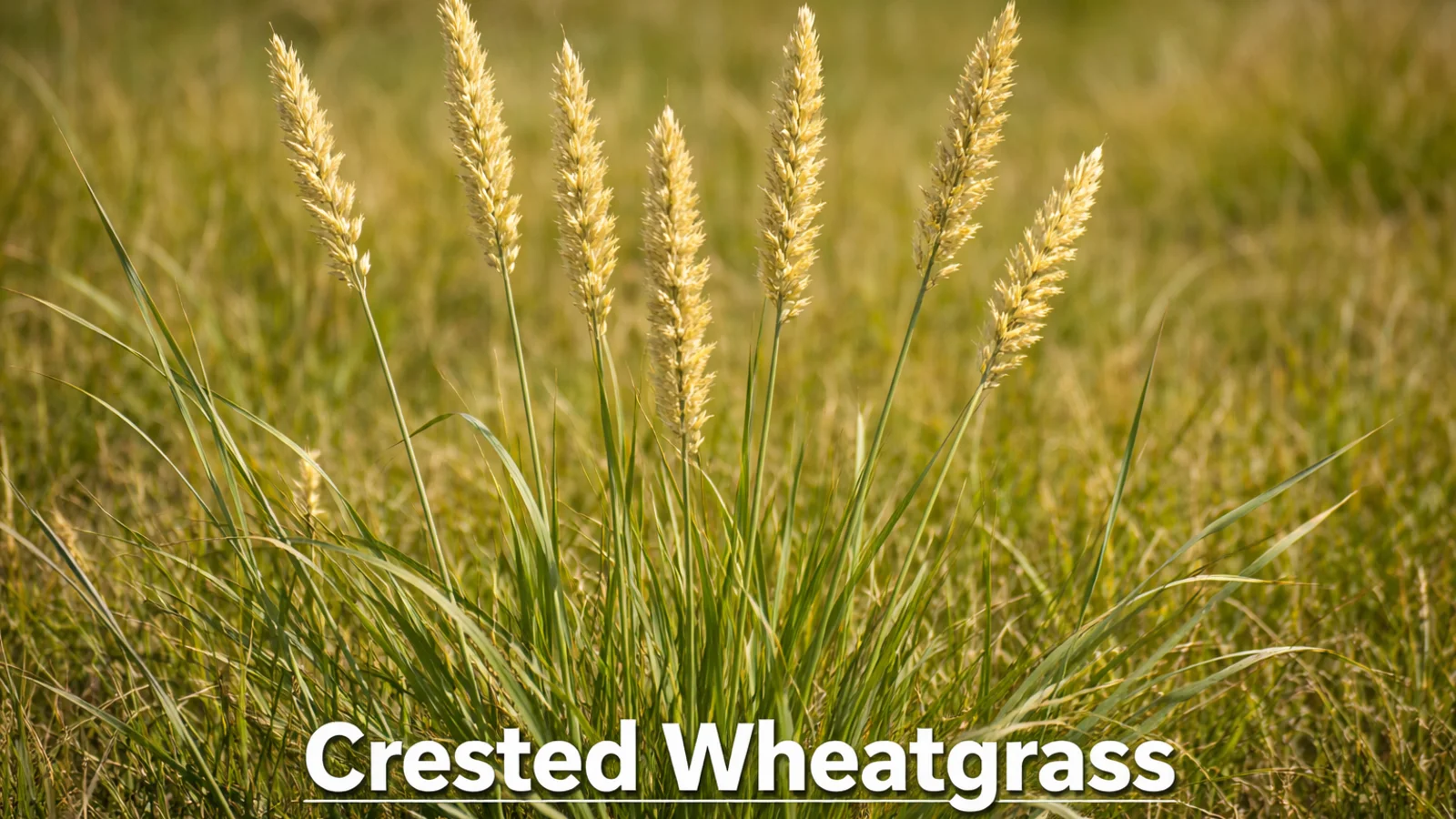
Crested wheatgrass (Agropyron cristatum, Agropyron desertorum) is a highly valuable forage crop for dryland farming in Alberta’s Special Areas. It is well-suited to low-moisture environments due to its deep root system, early spring growth, and excellent drought tolerance.
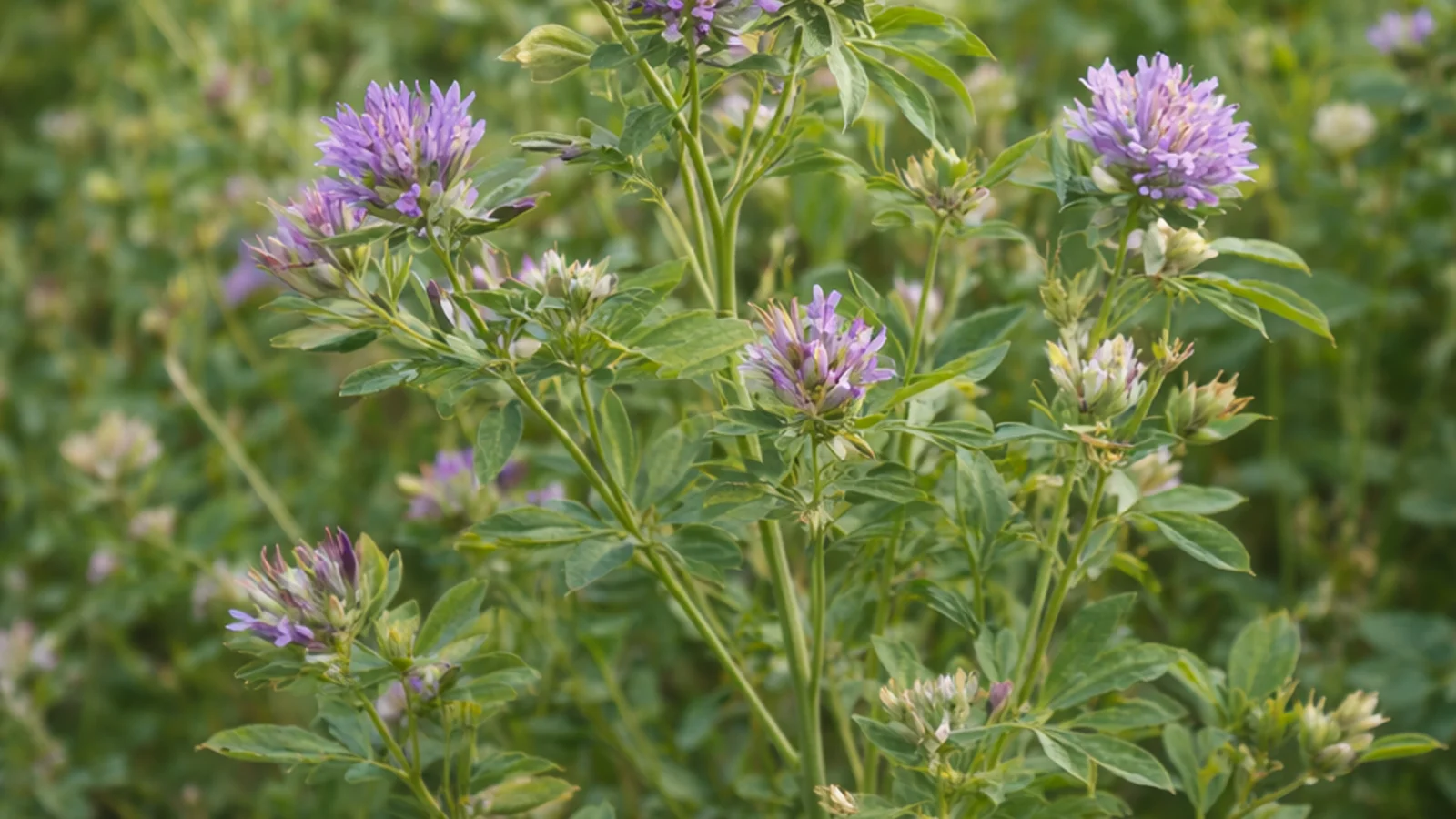
Alfalfa is a top choice for forage in dryland farming systems due to its deep-rooting system, which allows it to access moisture far below the surface, making it highly drought-resistant. It provides excellent forage for livestock, improves soil fertility, and increases yields when used in crop rotations. Below is a comprehensive overview of alfalfa cultivation in dryland systems, particularly focusing on Alberta’s Special Areas.